he could just be quietly fucking up and it’d take a while to be able to tell
Tbh, China has had a huge debt and property crisis the past few years. The US Republicans like to complain about debt (which they primarily cause, but that’s a different discussion) but China’s debt to GDP ratio is 3 times higher than the US.
A lot of this is brought on by all of the housing construction that China’s been doing the past couple decades to dodge recessions. Many Chinese families now own several homes, most of which are uninhabited, for use as an investment vehicle. And most of these homes have been bought with debt.
The problem with China’s situation is that a lot of these homes are build in giant blocks in the middle of nowhere, creating giant ghost cities with almost nobody living in them. Plus these housing block are not made well, with improperly mixed concrete, so they won’t last very long, making them a terrible investment.
Add the fact that China’s birthrate has plummetted below replacement levels, and the Chinese population is about to start quickly dropping, meaning there will be little demand for housing, causing any values these homes had to drop as well.
China is in a “calm before the storm” style of situation at the moment, but in a few years it’s going to get bad
From the chats I had with folks in China they said these massive developments got promoted to people as investments. So people put their savings into them thinking they’d pay off. Turned out these new units were far too expensive for the vast majority of Chinese people to afford so they remained empty. It is going to be a mess. I wouldn’t be surprised if the gov just stepped in and seized the properties and rented/sold them out at lower prices just to prevent a collapse and put them to use.
The “ghost city” thing is an outdated myth. China built up development for long term plans in anticipation of future demand, intending for them to be underpopulated in the short term.
60 minutes ran a story in 2013 using the Zhengzhou New Area as an example of a “ghost city.” Today, it’s population is 1.3 million.
This is one of the limitations of capitalism and that perspective, that relies solely on market signals to determine what to build when. If there’s an undeveloped region, there’s not going to be a lot of people want to live there. But if you build up the infrastructure, it creates demand. China still has a very large rural population and is trending towards urbanization.
Tbh, China has had a huge debt and property crisis the past few years. The US Republicans like to complain about debt (which they primarily cause, but that’s a different discussion) but China’s debt to GDP ratio is 3 times higher than the US.
Source? The only thing I could find similar to that claim was this which lists China’s total public and private debt at 300% GDP. The same figure for the US is 265% GDP. Comparing only central/federal government debt, the IMF lists China’s at 88% GDP and US at 120% GDP.
I traveled outside of Beijing about 2 years ago and I passed through a ghost city. I could see, literally, from horizon to horizon nothing but the same exact style apartment buildings and construction cranes in the distance. In the streets though, nothing. You know if a unit is occupied because there will be an AC unit in the window and I estimated about 5% of the units were occupied. I could count the number of people I saw on one hand.
So it sounds like it was still early in development. As I said, they’re planned to be underpopulated at first because they are built in anticipation of demand rather than in response to it. Other areas that have been reported on as “ghost cities” have since been populated.


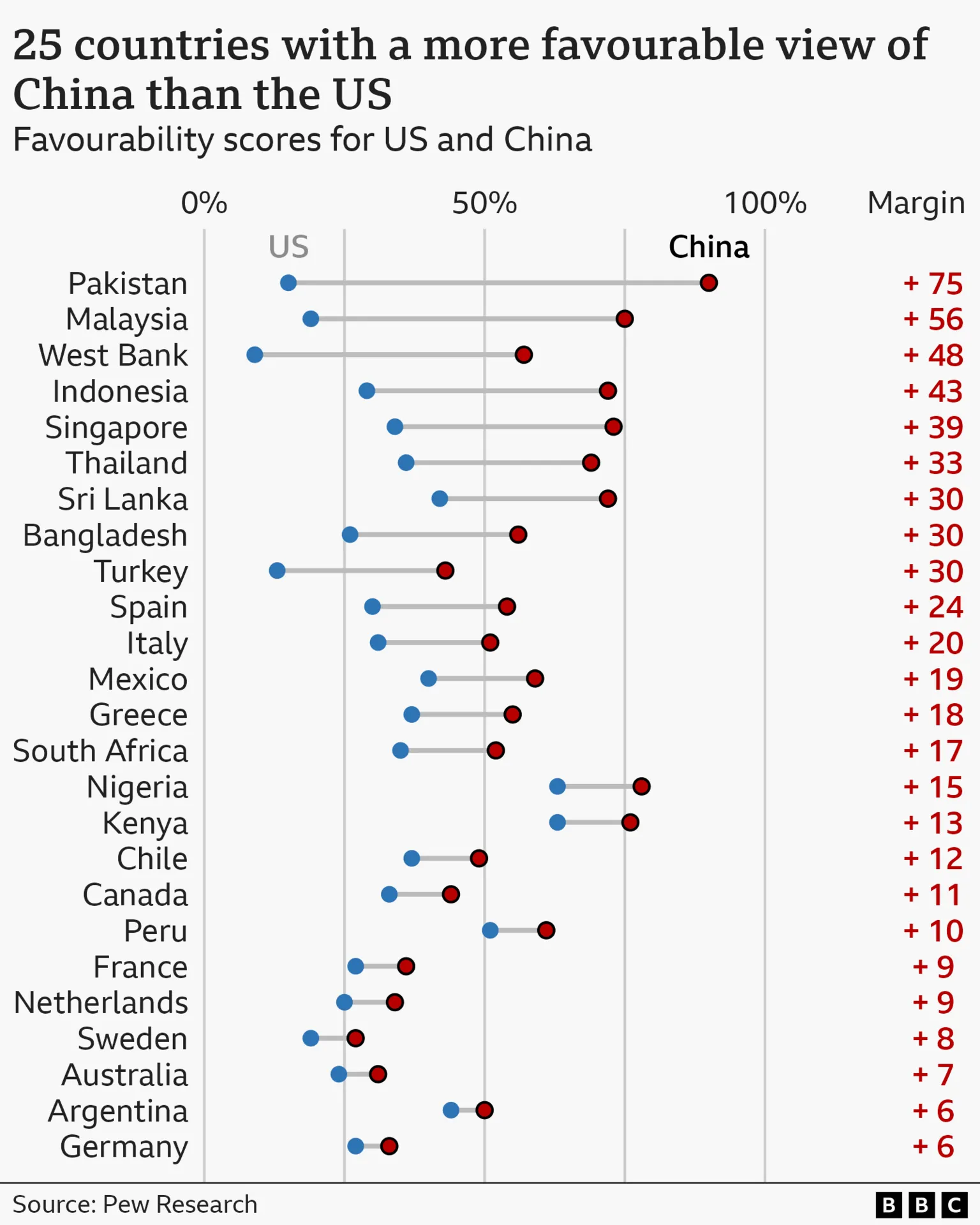
Seems good at what he is doing, but China is so big he could just be quietly fucking up and it’d take a while to be able to tell.
Momentum is a hell of a thing
Tbh, China has had a huge debt and property crisis the past few years. The US Republicans like to complain about debt (which they primarily cause, but that’s a different discussion) but China’s debt to GDP ratio is 3 times higher than the US.
A lot of this is brought on by all of the housing construction that China’s been doing the past couple decades to dodge recessions. Many Chinese families now own several homes, most of which are uninhabited, for use as an investment vehicle. And most of these homes have been bought with debt.
The problem with China’s situation is that a lot of these homes are build in giant blocks in the middle of nowhere, creating giant ghost cities with almost nobody living in them. Plus these housing block are not made well, with improperly mixed concrete, so they won’t last very long, making them a terrible investment.
Add the fact that China’s birthrate has plummetted below replacement levels, and the Chinese population is about to start quickly dropping, meaning there will be little demand for housing, causing any values these homes had to drop as well.
China is in a “calm before the storm” style of situation at the moment, but in a few years it’s going to get bad
From the chats I had with folks in China they said these massive developments got promoted to people as investments. So people put their savings into them thinking they’d pay off. Turned out these new units were far too expensive for the vast majority of Chinese people to afford so they remained empty. It is going to be a mess. I wouldn’t be surprised if the gov just stepped in and seized the properties and rented/sold them out at lower prices just to prevent a collapse and put them to use.
The “ghost city” thing is an outdated myth. China built up development for long term plans in anticipation of future demand, intending for them to be underpopulated in the short term.
Bloomberg - China’s Ghost Cities Are Finally Stirring To Life After Years Of Empty Streets
60 minutes ran a story in 2013 using the Zhengzhou New Area as an example of a “ghost city.” Today, it’s population is 1.3 million.
This is one of the limitations of capitalism and that perspective, that relies solely on market signals to determine what to build when. If there’s an undeveloped region, there’s not going to be a lot of people want to live there. But if you build up the infrastructure, it creates demand. China still has a very large rural population and is trending towards urbanization.
Source? The only thing I could find similar to that claim was this which lists China’s total public and private debt at 300% GDP. The same figure for the US is 265% GDP. Comparing only central/federal government debt, the IMF lists China’s at 88% GDP and US at 120% GDP.
I traveled outside of Beijing about 2 years ago and I passed through a ghost city. I could see, literally, from horizon to horizon nothing but the same exact style apartment buildings and construction cranes in the distance. In the streets though, nothing. You know if a unit is occupied because there will be an AC unit in the window and I estimated about 5% of the units were occupied. I could count the number of people I saw on one hand.
So it sounds like it was still early in development. As I said, they’re planned to be underpopulated at first because they are built in anticipation of demand rather than in response to it. Other areas that have been reported on as “ghost cities” have since been populated.