That’s not how hardware works, like at all. I agree with the spirit of what you’re asking for but you can’t just wave a magic wand and put any software on any hardware.
The problem is that even if somebody out there is willing to go to the work of making device drives, bootloaders and OS releases for the hardware, it still can’t happen because the information about how to talk to the hardware isn’t open, same thing for the bootloader and even if those things are reverse engineered often even the ability to install an OS there is locked down on the hardware.
As you correctly say, the dream of any software just running anywhere isn’t possible because that’s not how hardware works, but the current situation is not one were what’s blocking it isn’t just the natural architectural structure of hardware, it’s one where the hardware makers have purposefully and to quite an extreme level locked down their hardware so that even if people are willing to do the work of doing what it takes to run an OS there, they can’t because necessary info to use the hardware isn’t available and the hardware is even locked down against OS installations for those who don’t have the necessary cryptographic keys.
And the other way, too. The whole reason why Android chose Java was because it was, at the time, one of the better languages and runtimes for creating hardware-agnostic software. Now that a software ecosystem is in place, why should Google be able to control what hardware the already-written software runs on?
It was very disappointing to find out that GOS was incompatible with every phone brand but one. It is coherent with the Zeitgeist: why care about security and privacy when users will dump all their information in Google and Facebook?
That’s borderline with the purity fallacy: that one should not deserve privacy and security because of one or more bad practice.
I believe not so many people give away “everything”, and many more probably don’t realize how much they give.
There are many reasons one would keep a FB account, or a Google account around. That does not mean that person abandoned all rights on privacy and even less on security.
And how would you recommend a soft transition if you’re in a all-or-nothing approach? One day on Google, FB, what’s not, and in an instant: new device, new OS, drop everything at once? Nearly no one will do that.
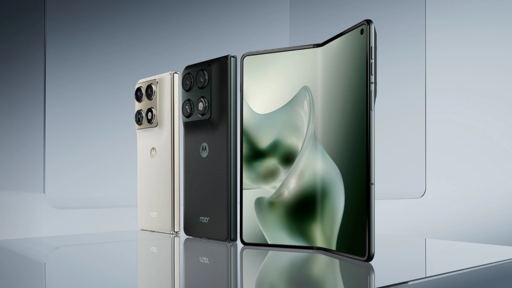
The reason GOS does not support more devices is not because of where other brands vs privacy and security, it’s a pure hardware requirements they don’t meet. If the Motorola devices are a commercial success, most likely other phone makers will be interested.


Hardware should be software agnostic
That’s not how hardware works, like at all. I agree with the spirit of what you’re asking for but you can’t just wave a magic wand and put any software on any hardware.
The problem is that even if somebody out there is willing to go to the work of making device drives, bootloaders and OS releases for the hardware, it still can’t happen because the information about how to talk to the hardware isn’t open, same thing for the bootloader and even if those things are reverse engineered often even the ability to install an OS there is locked down on the hardware.
As you correctly say, the dream of any software just running anywhere isn’t possible because that’s not how hardware works, but the current situation is not one were what’s blocking it isn’t just the natural architectural structure of hardware, it’s one where the hardware makers have purposefully and to quite an extreme level locked down their hardware so that even if people are willing to do the work of doing what it takes to run an OS there, they can’t because necessary info to use the hardware isn’t available and the hardware is even locked down against OS installations for those who don’t have the necessary cryptographic keys.
And the other way, too. The whole reason why Android chose Java was because it was, at the time, one of the better languages and runtimes for creating hardware-agnostic software. Now that a software ecosystem is in place, why should Google be able to control what hardware the already-written software runs on?
@GamingChairModel @Glitch How about formulating meaningful content? Your question is bullshit!
It was very disappointing to find out that GOS was incompatible with every phone brand but one. It is coherent with the Zeitgeist: why care about security and privacy when users will dump all their information in Google and Facebook?
That’s borderline with the purity fallacy: that one should not deserve privacy and security because of one or more bad practice.
I believe not so many people give away “everything”, and many more probably don’t realize how much they give.
There are many reasons one would keep a FB account, or a Google account around. That does not mean that person abandoned all rights on privacy and even less on security.
And how would you recommend a soft transition if you’re in a all-or-nothing approach? One day on Google, FB, what’s not, and in an instant: new device, new OS, drop everything at once? Nearly no one will do that.
The reason GOS does not support more devices is not because of where other brands vs privacy and security, it’s a pure hardware requirements they don’t meet. If the Motorola devices are a commercial success, most likely other phone makers will be interested.
Exactly. This was less important before the internet got ubiquitous, but nowadays, when manufacturers can screw you remotely, it’s very important.
This kind of vertical integration, where a single entity controls both hardware and software shouldn’t exist.
Very true. Covered that in my post on Europe