saying “Linux does dynamic linking and Window does static linking” is both false and a mischaracterization. Windows absolutely does dynamic linking with its Dynamically Linked Libraries (.dll). how dependencies are linked is up to the developer and whatever hardware constraints. one reason i like Rust is that it prefers static linking, and a lot of tool chains are moving in that direction. the reason Linux distros push people toward their internal package management tools (eg apt) is to have tighter control over dynamic linking.
and we’re also glossing over scoop and chocolatey and winget and Docker.
but that’s where you get to stuff like flatpack and snap and Nix that try to contain the dynamic dependencies.
i don’t think downloading exes hoping that Windows has stuffed enough DLLs into the OS and just running them is a better solution.
oh i see. embedded systems makes sense. i wouldn’t even try to go beyond the factory recommendation for systems like that. maybe for fun. likely there are kernel modifications or modules that are required for those systems.
Windows doesn’t have these issues. Not that I use Windows for development stuff, but you can usually install any .exe for Windows10 on Windows 11. Even older stuff frequently still works and only sometimes requires running in compatibility mode.
It runs on embedded systems but also on “normal” computers. It’s not an OS but moreso a server/database which communicates messages between different programs.


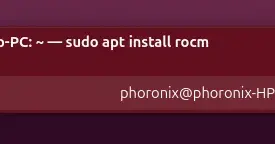
so, it’s the same.
saying “Linux does dynamic linking and Window does static linking” is both false and a mischaracterization. Windows absolutely does dynamic linking with its Dynamically Linked Libraries (.dll). how dependencies are linked is up to the developer and whatever hardware constraints. one reason i like Rust is that it prefers static linking, and a lot of tool chains are moving in that direction. the reason Linux distros push people toward their internal package management tools (eg
apt) is to have tighter control over dynamic linking.and we’re also glossing over
scoopandchocolateyandwingetand Docker.but that’s where you get to stuff like flatpack and snap and Nix that try to contain the dynamic dependencies.
i don’t think downloading
exes hoping that Windows has stuffed enough DLLs into the OS and just running them is a better solution.That’s true but on Windows it’s mostly just clicking install on everything on ninite. Linux libraries sometimes can’t even install on a newer kernel.
I can usually get old Windows programs to run on newer Windows versions. On Linux I rarely had that sucess.
i’m curious where you run into this. i’ve never had this issue in 10 years of using Linux, most of which being on Arch with the latest kernel
Trying to do something like run ROS on anything but the Ubuntu distro it was made for.
Flashing an embedded board which requires Ubuntu 20.04 and didn’t accept me using 22.04
Some more stuff too but I’ve forgotten
oh i see. embedded systems makes sense. i wouldn’t even try to go beyond the factory recommendation for systems like that. maybe for fun. likely there are kernel modifications or modules that are required for those systems.
Idk it’s not just on embedded systems. For example you can’t run ros 22.04 on Ubuntu24.04 ** https://docs.ros.org/en/humble/Installation/Ubuntu-Install-Debs.html
Windows doesn’t have these issues. Not that I use Windows for development stuff, but you can usually install any .exe for Windows10 on Windows 11. Even older stuff frequently still works and only sometimes requires running in compatibility mode.
ROS is an embedded systems OS, right?
It runs on embedded systems but also on “normal” computers. It’s not an OS but moreso a server/database which communicates messages between different programs.